Product Description
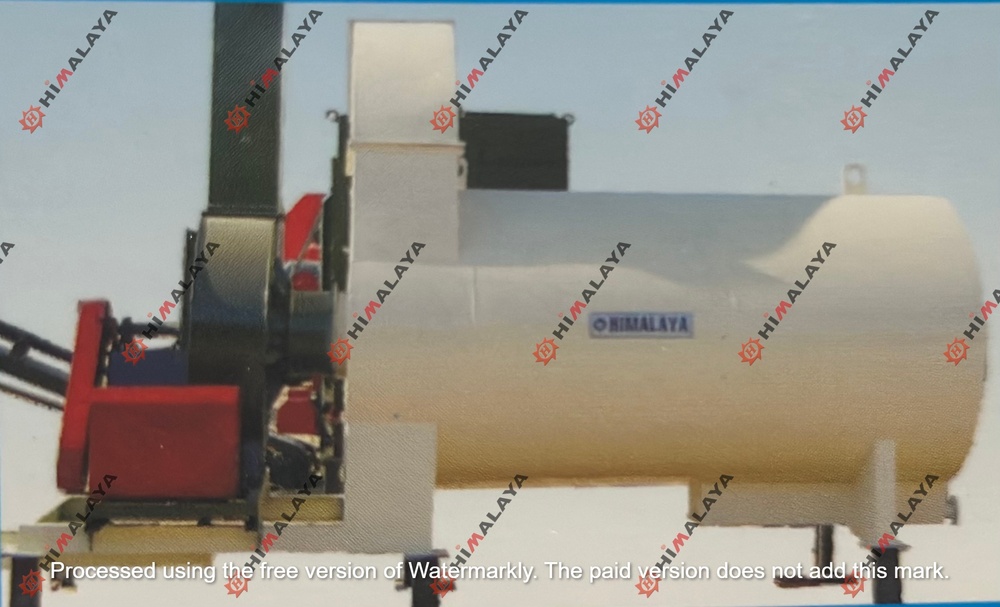
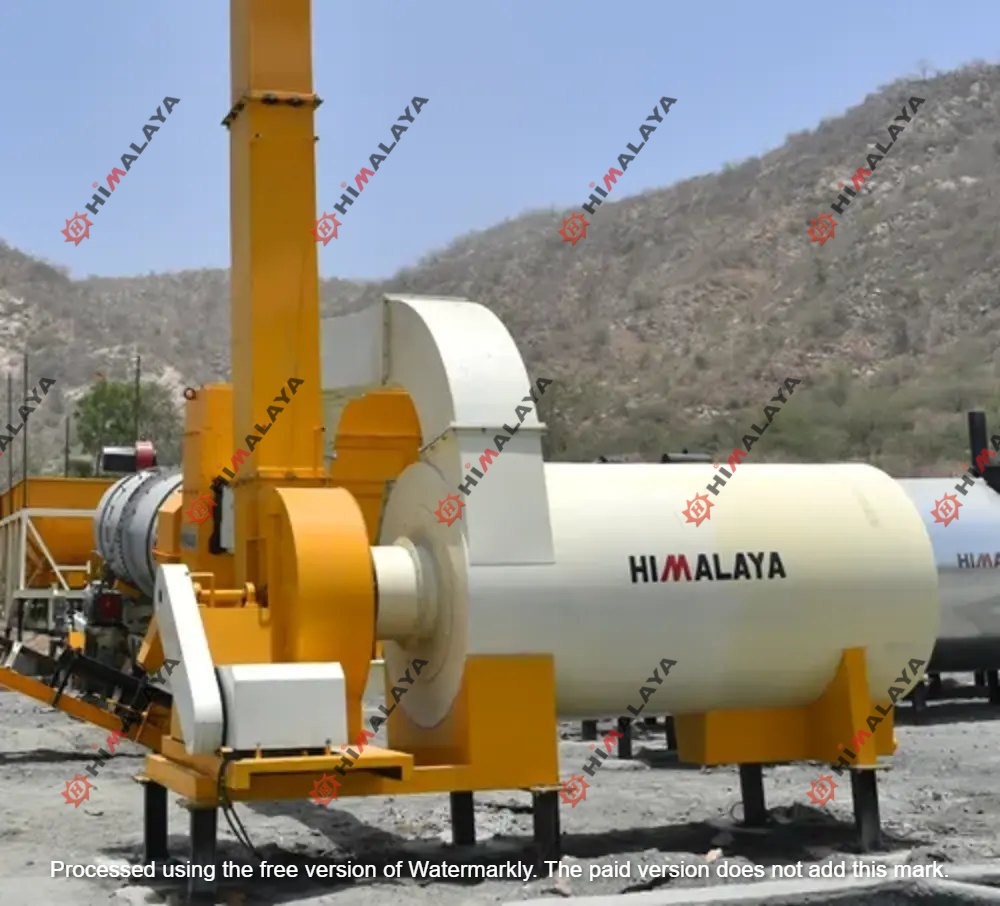
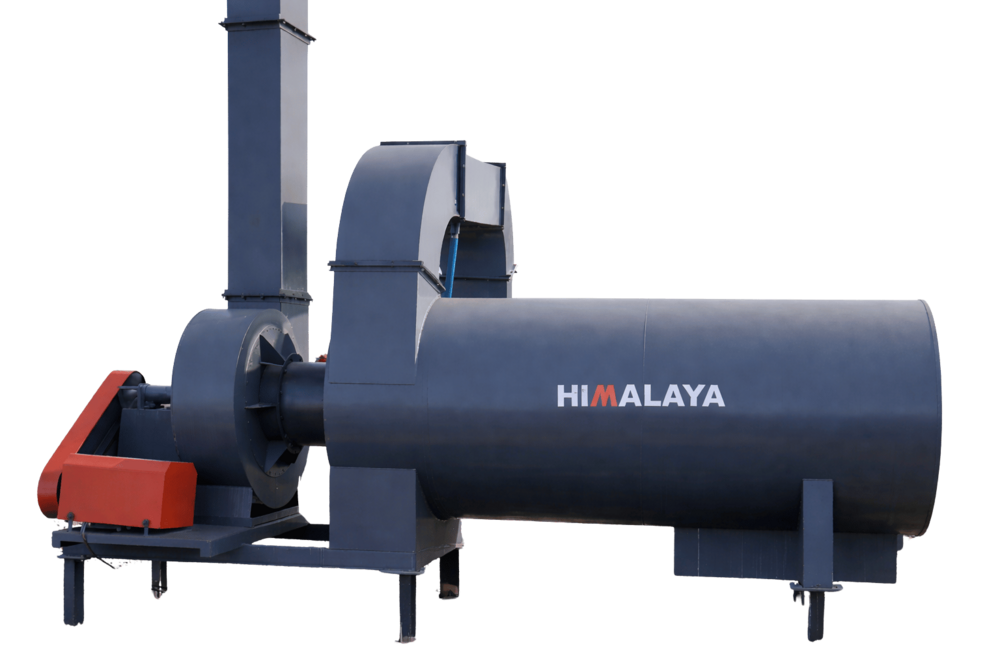
An Industrial Wet Dust Collector is a specialised air pollution control system designed to capture and eliminate dust particles and gaseous pollutants from industrial exhaust streams. These systems are highly efficient in removing fine particulates and harmful gases, offering a reliable solution for industries seeking compliance with environmental standards.
Compared to conventional dry dust collection systems, wet collectors require less maintenance and can also deliver energy savings, particularly in operations where air cooling is beneficial. Widely used across multiple industries, they play a crucial role in maintaining cleaner air quality, safeguarding worker health, and ensuring adherence to emission regulations.
Key Features / Points:
-
Effective Pollutant Control: Removes both particulates and gases from exhaust streams.
-
Energy Efficient: Offers potential energy savings compared to dry dust collectors.
-
Air Cooling Advantage: Ideal for applications requiring cooled exhaust air.
-
Low Maintenance: Less wear and tear compared to dry collection systems.
-
Compliance Friendly: Helps industries meet strict emission and environmental standards.
-
Versatile Applications: Suitable for cement, metal, chemical, asphalt, and other industries.
Superior Dust Filtration PerformanceEngineered for optimal dust and particulate matter removal, this industrial wet dust collector offers up to 99% collection efficiency. The robust wet scrubber or bag filter configuration ensures effective capture of both solid and gaseous pollutants, making it a valuable addition for facilities prioritizing air quality and regulatory compliance.
Advanced Monitoring & ControlOptional digital monitoring provides operators with real-time data on air flow, pressure drop, and operational efficiency. Temperature and differential pressure sensors are integrated for precise measurement, while user-friendly controls enable automatic or semi-automatic operation. These features help users maintain stable system performance and prevent operational bottlenecks.
Durable Construction for Demanding EnvironmentsManufactured using heat-resistant mild steel with a reactor thickness between 6-10 meters, this dust collector withstands rigorous industrial conditions. The air cooling system safeguards internal components during continuous operation, while the design supports both vertical and horizontal orientations, allowing versatile installation within various plant layouts.
FAQ's of Industrial Wet Dust Collector:
Q: How does the Industrial Wet Dust Collector operate to remove dust and pollutants?
A: The system utilizes either a wet scrubber or a bag filter design, with electric motor-driven fans drawing contaminated air through the collector. Particulates and gaseous pollutants are captured by wet scrubbing action or filtered, resulting in a 99% dust collection efficiency. Monitored parameters ensure consistent, continuous operation.
Q: What are the main benefits of digital monitoring for this dust collector?
A: Digital monitoring provides live data on crucial parameters such as air flow, pressure drop, and temperature. This allows for immediate response to operational fluctuations, improving maintenance planning and minimizing downtime, while helping users maintain optimum collection efficiency.
Q: When is it recommended to choose the automatic or semi-automatic versions?
A: Choose the automatic version when requiring minimal operator intervention and higher consistency for continuous operations. The semi-automatic variant is suitable for facilities needing regular manual adjustments or where automation may not be essential.
Q: Where can this industrial dust collector be installed?
A: The system supports both vertical and horizontal orientations, ensuring flexibility in installation. Its robust construction and heat-resistant surface make it suitable for a wide range of industrial environments across India, including factories, manufacturing plants, and processing facilities.
Q: What process parameters can be measured with the included instruments?
A: Equipped with pressure gauges, temperature sensors, and a differential pressure sensor, the collector measures key values: air flow, pressure drop, and temperature. These measurements are critical for optimizing performance and ensuring compliance with environmental standards.
Q: How does the air cooling system contribute to operational efficiency?
A: The integrated air cooling system ensures safe operation at process temperatures up to 180C. It maintains optimal working conditions for the internal components, allowing for continuous operation without overheating or performance loss.
 Mon-Sat 10.00 AM to 6.30 PM
 Call Us:-07315127349





 Send Inquiry
 Send Inquiry
 Send SMS


 English
 Spanish
 French
 German
 Italian
 Chinese (Simplified)
 Japanese
 Korean
 Arabic
 Portuguese